

The vibratory feeder, a critical piece of equipment in various industries, plays a significant role in the accurate and efficient feeding of materials. As a leading vibratory feeder supplier, we understand the importance of quality standards in ensuring the optimal performance of these devices. In this blog, we will explore the key quality standards for a vibratory feeder and how they impact its functionality and reliability.
Design and Construction
The design and construction of a vibratory feeder are fundamental to its overall quality. A well - designed feeder should be able to withstand the rigors of continuous operation in industrial environments. First, the frame of the feeder should be made of high - strength materials, such as stainless steel or carbon steel. Stainless steel is often preferred for applications in the food, pharmaceutical and chemical industries due to its corrosion resistance and hygienic properties. Carbon steel, on the other hand, provides excellent strength and is suitable for heavy - duty applications.
The shape and size of the feeder tray also matter. The tray should be designed to accommodate the specific type and size of the material being fed. For example, a Mini Vibratory Feeder is ideal for small - scale operations or when dealing with small quantities of materials. The tray's surface finish should be smooth to prevent material build - up and ensure consistent feeding. Additionally, the feeder should be designed with easy - access points for maintenance and cleaning, which can significantly extend its lifespan.
Vibratory Mechanism
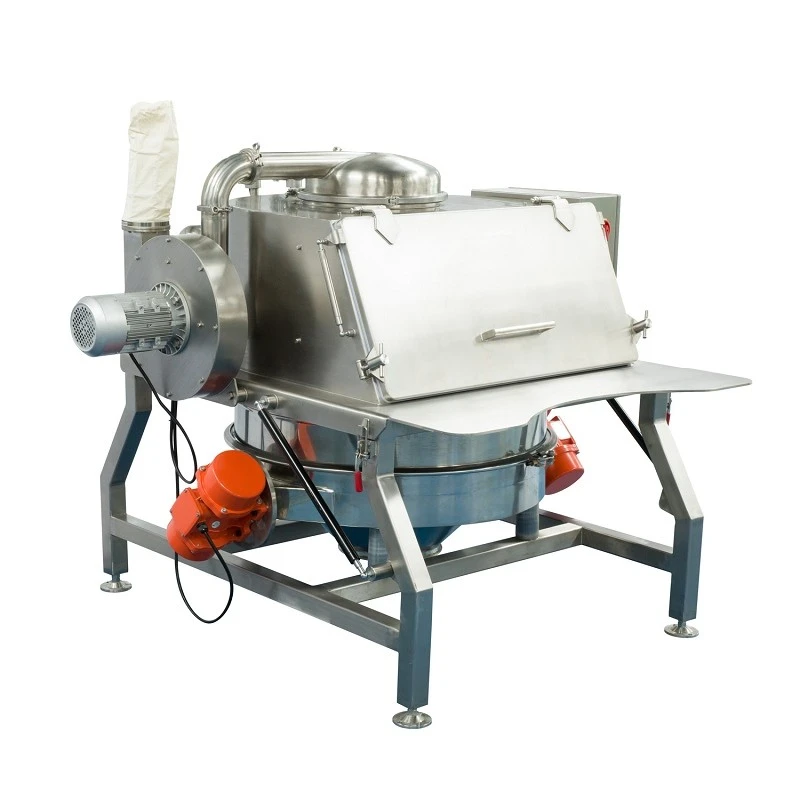
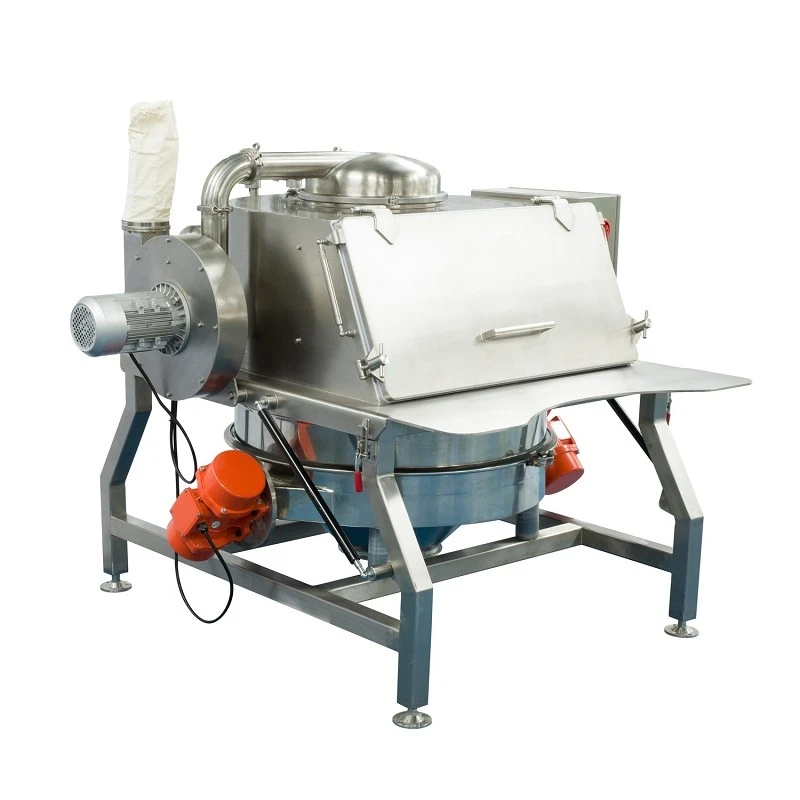
The vibratory mechanism is at the heart of a vibratory feeder. It is responsible for generating the vibrations that move the material along the tray. Quality standards for the vibratory mechanism are focused on ensuring precise and consistent vibration. The vibration amplitude and frequency should be adjustable to meet the requirements of different materials and feeding rates.
For instance, materials with different particle sizes and densities may require different vibration settings. A high - quality vibratory feeder should be able to provide a stable vibration pattern, which ensures uniform material flow. There are two main types of vibratory mechanisms: electromagnetic and mechanical. An Electromagnetic Vibratory Feeder offers precise control of vibration amplitude and frequency, making it suitable for applications that require high - precision feeding. A Mechanical Vibratory Feeder, on the other hand, is known for its robustness and ability to handle heavy loads.
Feeding Accuracy
Feeding accuracy is one of the most important quality standards for a vibratory feeder. In many industrial processes, even a small deviation in the feeding rate can lead to significant problems, such as product quality issues or production inefficiencies. A reliable vibratory feeder should be able to maintain a consistent feeding rate within a narrow tolerance range.
This can be achieved through advanced control systems. For example, some feeders are equipped with variable frequency drives (VFDs) that allow for precise adjustment of the vibration frequency and, consequently, the feeding rate. Moreover, the feeder should be able to start and stop quickly and smoothly, without any bouncing or over - feeding. Quality feeders often come with calibration features to ensure accurate feeding over time.
Durability and Maintenance
Durability is essential for a vibratory feeder to operate effectively in industrial settings. A high - quality feeder should be designed to minimize wear and tear. For example, the vibratory components should be properly lubricated and have a long service life. The feeder should also be protected against dust, dirt, and moisture, which can cause damage to the internal components.
In terms of maintenance, a good vibratory feeder should be easy to service. The parts should be readily available, and the feeder should have a modular design that allows for quick replacement of worn - out components. Regular maintenance, such as inspection of the vibratory mechanism, tightening of loose bolts, and cleaning of the tray, can significantly extend the lifespan of the feeder.
Safety Features
Safety is a critical quality standard for any industrial equipment, including vibratory feeders. The feeder should be equipped with proper safety guards to prevent operators from coming into contact with moving parts. Electrical components should be well - insulated to prevent electrical shocks.
Additionally, the feeder should have overload protection systems. For example, if the feeder is overloaded with material, the system should automatically shut down to prevent damage to the equipment. Some advanced feeders also come with emergency stop buttons for immediate shutdown in case of an emergency.
Product Range and Customization
As a vibratory feeder supplier, we offer a wide range of products to meet different customer needs. Our product portfolio includes Mini Vibratory Feeder, Side Unloading Vibratory Feeder, Granule Vibratory Feeder, Mechanical Vibratory Feeder, and Direct - discharging Vibratory Feeder.
We also understand that some customers may have specific requirements that cannot be met by standard products. That's why we offer customization services. Our team of engineers can work with you to design and manufacture a vibratory feeder that is tailored to your specific application, ensuring the highest level of quality and performance.
Compliance with Industry Standards
Compliance with industry standards is a must for any vibratory feeder. These standards ensure that the feeder meets the necessary safety and performance requirements. For example, in the European Union, feeders need to comply with the CE certification, which indicates that the product meets health, safety, and environmental protection standards within the EU.
In the United States, products may need to comply with standards set by organizations such as the Occupational Safety and Health Administration (OSHA) and the National Electrical Manufacturers Association (NEMA). Our company is committed to meeting and exceeding these industry standards to provide our customers with high - quality feeders that are safe and reliable.
Quality Assurance and Testing
To ensure that our vibratory feeders meet the highest quality standards, we have a comprehensive quality assurance program in place. Every feeder undergoes rigorous testing before it leaves our factory. We test the vibration characteristics, feeding accuracy, and overall performance of the feeder under various conditions.
We also conduct quality control inspections at every stage of the manufacturing process, from raw material inspection to final assembly. By adhering to strict quality control procedures, we can guarantee that our customers receive feeders that are of the highest quality and reliability.
Conclusion
In summary, the quality standards for a vibratory feeder encompass design and construction, vibratory mechanism, feeding accuracy, durability, maintenance, safety features, product range, customization, compliance with industry standards, and quality assurance. As a leading vibratory feeder supplier, we are dedicated to providing our customers with feeders that meet and exceed these standards.
If you are in the market for a high - quality vibratory feeder for your industrial application, we invite you to get in touch with us for a detailed discussion. Our experienced team can help you select the most suitable feeder for your needs and provide you with professional guidance and support. We look forward to partnering with you and contributing to the success of your operations.
References
- Industrial Feeding Equipment Handbook. Multiple editions, various publishers.
- Standards and Guidelines for Industrial Vibratory Equipment by OSHA, NEMA, and other relevant organizations.


